
If you’re planning a trip to the American Southwest, you’ve probably asked yourself one big question:
Bryce or Zion which national park should you visit? It’s one of the most common travel debates among nature lovers, photographers, hikers, and road-trippers.
Both parks are located in southern Utah, offer breathtaking landscapes, and are often included in the same vacation itinerary.
Because they’re relatively close to each other, many travelers assume they’re quite similar.
Although they look similar, they serve completely different purposes
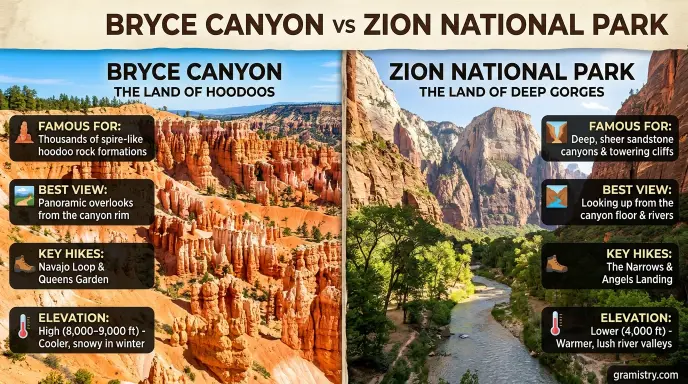
While Bryce Canyon National Park is famous for its otherworldly rock formations known as hoodoos, Zion National Park is celebrated for its towering sandstone cliffs, dramatic canyons, and adventurous hiking trails.
Understanding these differences can help you choose the destination that best matches your interests, fitness level, and travel style.
In this complete guide, we’ll compare Bryce or Zion in detail so you can confidently decide which park deserves a spot on your travel bucket list or whether you should visit both.
What Is Bryce Canyon National Park?
When comparing Bryce or Zion, it’s important to understand that Bryce Canyon National Park isn’t actually a canyon in the traditional sense. Instead, it’s a series of giant natural amphitheaters carved into the edge of the Paunsaugunt Plateau in southern Utah.
The park is world-famous for its incredible collection of hoodoos—tall, thin rock spires created over millions of years by frost weathering and erosion. These colorful formations create one of the most unique landscapes anywhere on Earth.
Unlike many national parks that feature forests or rivers as their main attraction, Bryce captivates visitors with its surreal scenery. During sunrise and sunset, the orange, red, pink, and white rocks glow with changing colors, making it a paradise for photographers.
How Bryce Canyon Is Used
Most visitors choose Bryce Canyon for:
- Scenic viewpoints
- Moderate hiking trails
- Sunrise and sunset photography
- Stargazing
- Wildlife viewing
- Family-friendly sightseeing
Because the park sits at elevations between 8,000 and 9,000 feet (2,400–2,700 meters), temperatures remain cooler than many nearby desert parks. Even during summer, mornings and evenings can feel refreshingly cool.
Famous Attractions in Bryce Canyon
Some of Bryce Canyon’s most popular destinations include:
- Sunrise Point
- Sunset Point
- Bryce Point
- Inspiration Point
- Rainbow Point
- Natural Bridge
- Thor’s Hammer
- Queen’s Garden Trail
- Navajo Loop Trail
Each viewpoint offers a different perspective of the spectacular hoodoo-filled amphitheaters.
Hiking in Bryce Canyon
One reason travelers researching Bryce or Zion choose Bryce is its accessibility.
Popular hikes include:
Queen’s Garden Trail
This beginner-friendly trail descends into the hoodoos and offers spectacular scenery without requiring technical skills.
Navajo Loop Trail
A favorite among visitors, this trail passes famous landmarks like Wall Street and Thor’s Hammer.
Peekaboo Loop
For experienced hikers, this trail provides a deeper exploration of Bryce’s colorful formations.
Most Bryce hikes focus on descending into and climbing out of the amphitheater rather than navigating steep cliffs.
Wildlife in Bryce Canyon
Although known for its rocks, Bryce is also home to fascinating wildlife.
Visitors may encounter:
- Mule deer
- Prairie dogs
- Utah prairie dogs
- Red foxes
- Mountain lions (rarely seen)
- Golden eagles
- Hawks
- Ravens
- Numerous songbirds
Early morning is usually the best time for wildlife spotting.
Climate and Best Time to Visit
Another important factor when deciding Bryce or Zion is the weather.
Bryce Canyon experiences four distinct seasons:
Spring
Cool temperatures, melting snow, and fewer crowds.
Summer
Pleasant daytime temperatures with cool nights, making hiking comfortable.
Fall
Colorful scenery and crisp weather attract photographers from around the world.
Winter
Snow transforms the red hoodoos into one of the most magical landscapes in America.
Unlike many desert parks, Bryce often receives significant snowfall.
Photography Opportunities
Bryce Canyon is considered one of the world’s premier photography destinations.
Popular photography locations include:
- Sunrise Point
- Bryce Point
- Inspiration Point
- Rainbow Point
- Fairyland Point
Golden-hour lighting creates dramatic shadows that make the hoodoos appear almost unreal.
Astrophotographers also love Bryce because it’s recognized as an International Dark Sky Park, offering exceptional opportunities for stargazing.
A Brief History of Bryce Canyon
Bryce Canyon gets its name from Ebenezer Bryce, a Mormon pioneer who settled nearby during the late 1800s.
Local residents reportedly described the area as “a hell of a place to lose a cow,” referring to its maze-like rock formations.
The area became a national monument in 1923 and was officially designated Bryce Canyon National Park in 1928.
Today, millions of visitors come each year to admire one of nature’s most extraordinary geological masterpieces.
Example Sentences
Here are a few examples of how Bryce Canyon is commonly mentioned:
- “We watched the sunrise over the hoodoos at Bryce Canyon National Park.”
- “If you enjoy photography, Bryce Canyon should be at the top of your travel list.”
- “Bryce offers cooler temperatures than many nearby desert parks.”
- “Our family loved hiking the Queen’s Garden Trail in Bryce Canyon.”
- “When choosing Bryce or Zion, we picked Bryce because of its incredible rock formations.”
Who Should Visit Bryce Canyon?
Bryce Canyon is ideal for travelers who:
- Love photography
- Prefer moderate hikes
- Enjoy cooler weather
- Want spectacular sunrise views
- Appreciate unique geological formations
- Like peaceful scenic drives
- Travel with children or older adults
If your dream vacation involves stunning landscapes without extremely strenuous adventures, Bryce Canyon is an excellent choice.
What Is Zion National Park?
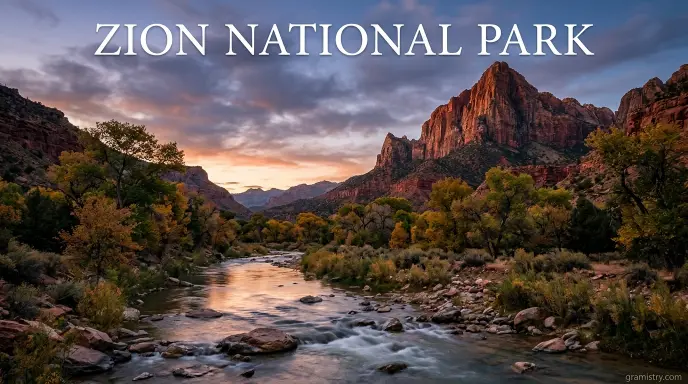
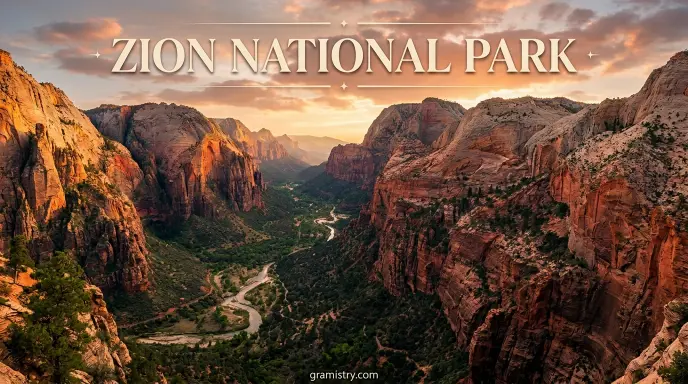
While Bryce impresses visitors with thousands of colorful hoodoos, Zion National Park delivers an entirely different experience. Located about 75 miles (120 kilometers) southwest of Bryce Canyon, Zion is known for its massive sandstone cliffs, deep river-carved canyons, lush valleys, and thrilling hiking adventures.
The name “Zion” comes from an ancient Hebrew word meaning “a place of refuge” or “sanctuary.” Early settlers believed the towering canyon walls and peaceful surroundings felt like a natural sanctuary, and the name has remained ever since.
Unlike Bryce Canyon’s elevated amphitheaters, Zion sits at a lower elevation with a warmer desert climate. The park’s dramatic cliffs rise thousands of feet above the valley floor, creating breathtaking scenery that’s instantly recognizable.
Many travelers comparing Bryce or Zion discover that Zion offers a more adventurous experience, making it a favorite among hikers, climbers, and outdoor enthusiasts.
How Zion National Park Is Used
When deciding between Bryce or Zion, it’s helpful to think about the type of adventure you want. Zion attracts visitors who enjoy active exploration and dramatic canyon scenery.
People commonly visit Zion for:
- Challenging and rewarding hikes
- Scenic drives and shuttle tours
- Rock climbing and canyoneering
- Wildlife watching
- River adventures
- Landscape photography
- Camping
- Family vacations
Unlike Bryce Canyon, Zion’s main canyon is served by a shuttle system during much of the year, helping reduce traffic and protect the park.
Famous Attractions in Zion National Park
Zion is filled with iconic landmarks that attract millions of visitors each year.
Some of the park’s must-see locations include:
- Angels Landing
- The Narrows
- Zion Canyon Scenic Drive
- Emerald Pools
- Canyon Overlook Trail
- Weeping Rock (availability may vary due to trail conditions)
- Court of the Patriarchs
- Observation Point
- Kolob Canyons
Each attraction showcases a different side of Zion, from towering cliffs to narrow slot canyons and lush river valleys.
Hiking in Zion National Park
Hiking is one of the biggest reasons travelers choose Bryce or Zion, and Zion is widely regarded as one of America’s premier hiking destinations.
Angels Landing
Perhaps Zion’s most famous hike, Angels Landing features steep switchbacks and a narrow ridge with chains for support. It’s an unforgettable experience for confident hikers who aren’t afraid of heights.
The Narrows
This world-famous hike takes visitors directly through the Virgin River between towering canyon walls. Depending on water levels, hikers spend much of the journey walking in the river itself.
Emerald Pools Trail
A great family-friendly option, this trail leads to beautiful pools, waterfalls, and shaded pathways.
Canyon Overlook Trail
This short hike rewards visitors with sweeping views of Zion Canyon without requiring an all-day commitment.
Wildlife in Zion National Park
Zion’s diverse habitats support a wide variety of wildlife.
Visitors may spot:
- Mule deer
- Desert bighorn sheep
- Wild turkeys
- Peregrine falcons
- California condors
- Rock squirrels
- Lizards
- Numerous bird species
Early morning and evening are often the best times for wildlife viewing.
Climate and Best Time to Visit
Weather is another major consideration when comparing Bryce or Zion.
Spring
Pleasant temperatures and blooming wildflowers make spring one of Zion’s busiest seasons.
Summer
Expect hot days, especially in the canyon. Early morning hikes are recommended to avoid the heat.
Fall
Comfortable temperatures and colorful foliage create ideal hiking conditions.
Winter
Winter is quieter, with occasional snow on the cliffs and fewer crowds.
Because Zion sits at a lower elevation than Bryce Canyon, it remains significantly warmer throughout the year.
Photography Opportunities
Photography enthusiasts love Zion for its dramatic contrasts.
Top photography locations include:
- Canyon Overlook
- The Watchman
- The Narrows
- Angels Landing viewpoints
- Kolob Canyons
- Emerald Pools
Morning and late afternoon provide the most flattering light, while storms often create spectacular cloud formations over the cliffs.
A Brief History of Zion National Park
Long before becoming a national park, Zion was home to Native American communities, including the Ancestral Puebloans and later the Southern Paiute people.
In the late 1800s, Mormon settlers arrived and gave many of the canyon’s landmarks biblical names.
Originally protected as Mukuntuweap National Monument in 1909, the area was renamed Zion National Monument before becoming Zion National Park in 1919.
Today, Zion is one of the most visited national parks in the United States.
Example Sentences
Here are a few examples of how Zion is commonly used in conversation:
- “We’re hiking The Narrows during our visit to Zion.”
- “Zion National Park is perfect for adventurous travelers.”
- “The cliffs in Zion are even more impressive in person.”
- “If you enjoy challenging hikes, choose Zion over Bryce.”
- “When comparing Bryce or Zion, many thrill-seekers prefer Zion.”
Who Should Visit Zion National Park?
Zion is ideal for travelers who:
- Love adventure
- Enjoy longer hikes
- Want dramatic canyon views
- Don’t mind warmer weather
- Like rock climbing or canyoneering
- Prefer active vacations
- Enjoy iconic bucket-list experiences
If you’re looking for excitement and unforgettable hikes, Zion is hard to beat.
Key Differences Between Bryce Canyon and Zion National Park
Choosing Bryce or Zion becomes much easier once you understand what makes each destination unique.
Main Differences
- Bryce Canyon is famous for colorful hoodoos, while Zion is known for towering sandstone cliffs and deep canyons.
- Bryce sits at a higher elevation, making it cooler throughout the year.
- Zion offers more challenging hikes and adventure activities.
- Bryce is generally easier for families and casual hikers.
- Zion receives more visitors and can feel busier during peak seasons.
- Bryce is especially famous for sunrise photography.
- Zion is best known for The Narrows and Angels Landing.
- Both parks are excellent for wildlife viewing and scenic drives.
Bryce or Zion Comparison Table
| Feature | Bryce Canyon National Park | Zion National Park |
|---|---|---|
| Main Attraction | Hoodoos | Massive sandstone cliffs |
| Landscape | Natural amphitheaters | Deep river canyon |
| Elevation | Higher | Lower |
| Climate | Cooler | Warmer |
| Best For | Photography, scenic views | Adventure hiking |
| Famous Hike | Queen’s Garden & Navajo Loop | Angels Landing & The Narrows |
| Difficulty | Easy to Moderate | Moderate to Difficult |
| Crowds | Moderate | Heavy during peak season |
| Sunrise | Exceptional | Excellent |
| Sunset | Beautiful | Dramatic canyon lighting |
| Family Friendly | Excellent | Very Good |
| Adventure Level | Moderate | High |
Real-Life Conversation Examples
1
Alex: Should we visit Bryce or Zion first?
Emma: If you love hiking, I’d start with Zion.
Alex: What about photography?
Emma: Then Bryce Canyon is incredible, especially at sunrise.
🎯 Lesson: Choose Bryce for unique rock formations and Zion for adventure.
2
Dad: Which park is easier for the kids?
Mom: Bryce has shorter and less demanding trails.
Dad: Sounds perfect for our family trip.
🎯 Lesson: Bryce is often the better choice for families with young children.
3
1: I’m scared of heights.
2: You may want to skip Angels Landing in Zion.
3: Bryce sounds like a better fit.
🎯 Lesson: Zion includes more challenging hikes with steep drop-offs.
4
Traveler: We only have one day.
Guide: Visit Bryce for incredible viewpoints or Zion if you want a full day of hiking.
🎯 Lesson: Your available time can help determine which park suits your trip.
5
Photographer: Which park has better sunrise shots?
Local: Bryce Canyon is hard to beat.
🎯 Lesson: Bryce is especially famous for golden-hour photography.
When to Choose Bryce or Zion
If you’re still deciding between Bryce or Zion, these simple guidelines can help.
Choose Bryce Canyon if you:
- Prefer easy to moderate hikes.
- Love photography and colorful landscapes.
- Enjoy cooler weather.
- Are traveling with young children or older adults.
- Want spectacular sunrise viewpoints.
Choose Zion National Park if you:
- Enjoy physically challenging hikes.
- Want to experience famous trails like The Narrows.
- Love towering cliffs and dramatic canyons.
- Prefer adventure-filled vacations.
- Don’t mind warmer temperatures and larger crowds.
Easy Memory Trick
A simple way to remember the difference is:
- Bryce = Beautiful rock spires (hoodoos).
- Zion = Zoom into adventure.
Think of Bryce as the place for breathtaking scenery and Zion as the place for unforgettable outdoor adventures.
US vs UK Usage
Unlike spelling differences such as color and colour, there is no US or UK variation for Bryce Canyon National Park or Zion National Park. These are official place names and are written the same way worldwide.
Fun Facts
1. Bryce Isn’t Actually a Canyon
Despite its name, Bryce Canyon isn’t a true canyon. Instead, it’s a collection of enormous natural amphitheaters carved by erosion over millions of years.
2. Zion Has One of America’s Most Famous Hikes
Angels Landing consistently ranks among the world’s most iconic hiking trails, attracting adventurous travelers from across the globe.
Conclusion:
Choosing between Bryce or Zion ultimately depends on the kind of experience you’re looking for.
Bryce Canyon National Park dazzles visitors with colorful hoodoos, peaceful viewpoints, cooler temperatures, and family-friendly hiking. Zion National Park, on the other hand, offers towering sandstone cliffs, thrilling trails, and unforgettable outdoor adventures.
Both parks showcase the incredible beauty of southern Utah, and each provides memories that can last a lifetime.
If your schedule allows, visiting both is the ideal option because they complement each other perfectly.
Next time someone asks “Bryce or Zion?”, you’ll know exactly what makes each national park unique and which one best matches your travel style!

Alina Mark is the creative voice behind Gramistry.com, making word meanings, English expressions, and trending slang simple, clear, and interesting. Her mission is to make every word easier to understand, one meaning at a time.